Category: Jobseekers, General, Interview
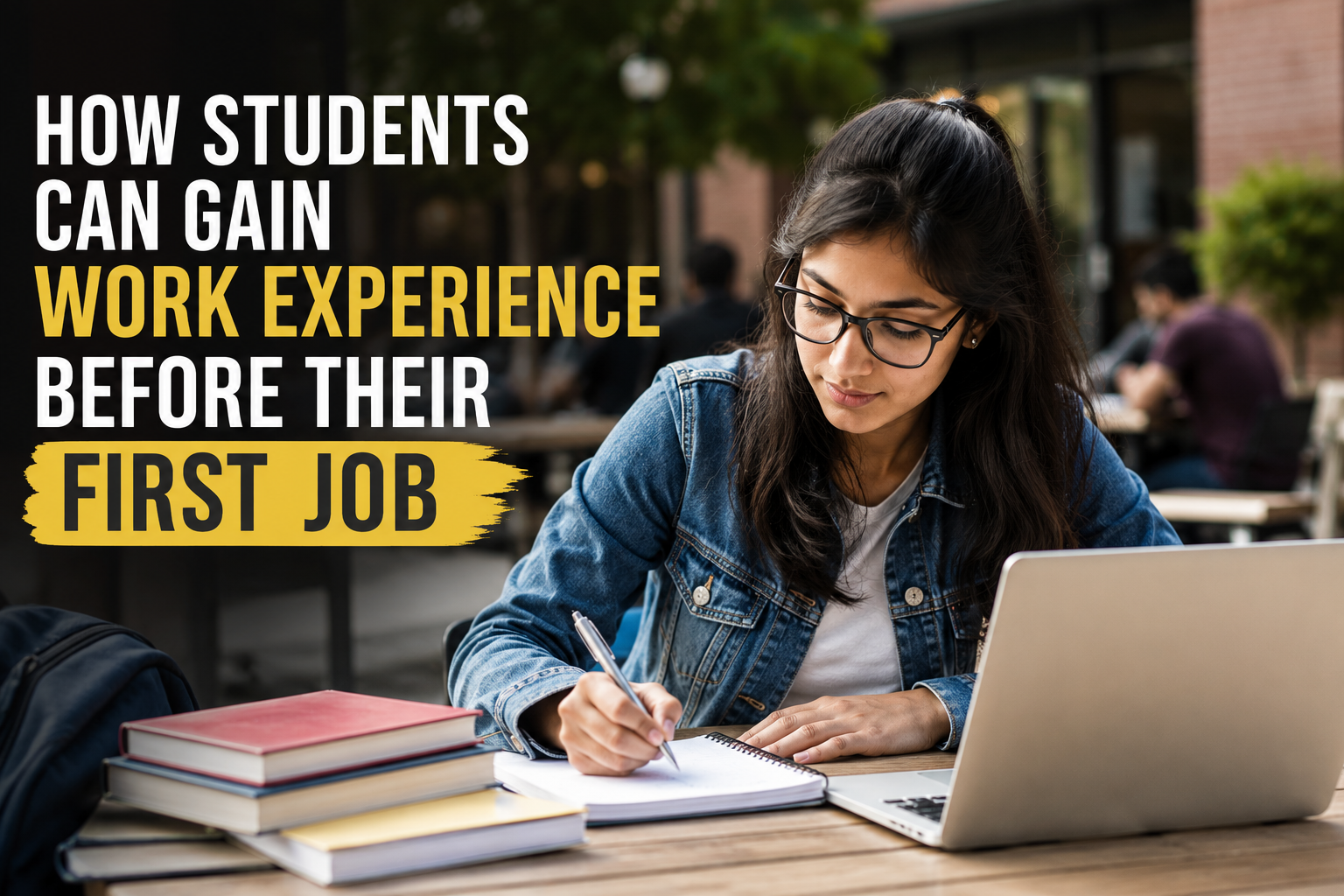
How Students Can Gain Work Experience Before Their First Job
Written by Sakshi | 9 July 2026, 11:30 AM
Getting a first job can feel difficult when many employers ask for prior experience. This is one of the most common challenges for students and fresh graduates. They are ready to begin their career, but job descriptions often mention practical skills, workplace exposure or previous experience that they have not had the chance to build yet.
The good news is that work experience does not only come from a full-time job. Students can build real, resume-worthy experience through internships, part-time work, volunteering, college projects, freelance tasks, short courses and portfolio work. What matters most is not the size of the opportunity, but how well students use it to show responsibility, initiative and workplace readiness.
For students looking for jobs and internships in Australia, learning how to gain work experience before the first job is an important step toward career readiness. It helps students create a stronger resume, answer interview questions with confidence and show employers that they are serious about their future.
Why Work Experience Matters for Students
Employers do not expect students to have years of professional experience before their first job. What they usually want to see is proof that a student can learn quickly, take responsibility and adapt to a professional environment. Experience, in any practical form, helps students show this clearly.
A degree can show academic knowledge, but experience shows how that knowledge is applied. A marketing student who has helped with a social media campaign can show practical understanding beyond classroom learning. An IT student who has built a small website or app can show problem-solving, technical ability and commitment.
Work experience also helps students develop professional habits. They learn how to communicate, manage time, meet deadlines, work with others and respond to feedback. These skills are important in almost every industry and can make a student more confident during interviews and placements.
Start With Internships
Internships are one of the best ways for students to gain practical experience before their first full-time job. An internship gives students exposure to real tasks, professional teams and workplace expectations. Even a short internship can be valuable if the student treats it as a serious learning opportunity.
During an internship, students should ask questions, observe how professionals work and understand the daily responsibilities of a role. They should also take notes about the tasks they completed, tools they used and skills they improved. These details can later be added to a resume or discussed in an interview.
Internships also help students understand whether a career path is right for them. Sometimes a field looks interesting in the classroom, but practical exposure gives a clearer picture of the actual work. Students who want to prepare better can also read this campus placement preparation guide for useful steps before applying.
Volunteering Counts as Real Experience
Volunteering is often underrated, but it can be a strong way to build work experience. Many students think volunteer work does not count because it is unpaid, but employers often value it because it shows initiative, teamwork and willingness to contribute.
A student who has helped organise a college event, managed registrations, supported a community project or worked with a student group has already developed useful workplace skills. These may include communication, coordination, leadership, problem-solving and responsibility.
The key is to describe volunteer work properly. Instead of writing only “volunteer” on a resume, students should explain what they did, what skills they used and what result they helped achieve. This makes the experience more meaningful and easier for employers to understand.
Part-Time Work Builds Workplace Skills
A part-time job does not need to be directly related to a student’s future career to be useful. Roles in retail, hospitality, tutoring, customer service, administration or sales can teach communication, patience, time management and professionalism.
For example, a student working in customer service learns how to handle questions, manage pressure and speak clearly. A student working as a tutor learns planning, explanation and confidence. These experiences can become strong interview examples when presented properly.
Students should not feel that only office jobs count as experience. Employers value any role where a student has shown discipline, reliability and the ability to work with people.
Turn College Projects Into Proof of Skill
Many students complete strong academic projects but do not present them properly on their resume or portfolio. A well-explained college project can be very useful, especially when it connects to the student’s career goal.
An IT student can showcase a website, app, coding task or database project. A business student can include a market research report, business plan or case study. A design student can show branding work, creative projects or visual presentations.
The project should be described clearly. Students can mention the problem they worked on, their role, the tools used, the process followed and the final outcome. This makes a classroom assignment look more like practical professional work. Students can also use these resume writing tips to understand how to present projects and skills more effectively.
Build a Simple Portfolio
A portfolio is not only for designers or creative students. Today, many students can use a portfolio to show proof of their skills. A portfolio can include college projects, writing samples, presentations, certificates, internship work, volunteer work, freelance tasks or links to online work.
It does not need to be complicated. A simple PDF, Google Drive folder, personal website or well-organised LinkedIn profile can work well. Technical students can include GitHub projects or coding samples. Marketing students can include content samples or campaign ideas. Business students can include case studies, research work or presentations.
A portfolio helps students stand out because it gives employers evidence. Instead of only saying they have skills, students can show examples of what they have done.
Freelance Tasks and Short Courses Add Value
Small freelance tasks can help students build confidence and experience before their first job. Students do not need big clients to start. They can begin with simple work for friends, local businesses, community groups, college clubs or online platforms.
This could include writing, design, social media support, data entry, presentations, website updates or basic business support tasks. Even small projects can strengthen a resume when they are explained professionally.
Short courses and workshops can also help students fill skill gaps. These may include Excel, communication skills, SEO, resume writing, coding basics, customer service, project management or interview preparation. Certificates alone may not guarantee a job, but when combined with practical work, they show that the student is actively preparing for the workplace.
Use LinkedIn to Show Career Readiness
LinkedIn can work like an online resume and portfolio. Students should add their education, skills, projects, internships, volunteer work and certificates. A clear LinkedIn profile helps recruiters and employers understand what the student is learning and what kind of role they are preparing for.
Students can also share short updates about projects, learning progress or career goals. They do not need to post every day. A complete profile with clear details is often enough to show that the student is serious about career growth.
LinkedIn also helps students build a professional network before entering the workforce. Connecting with classmates, trainers, recruiters, industry professionals and employers can open new opportunities over time.
How JobReady Placements Can Help
For students who do not yet have full-time experience, the focus should be on building practical exposure step by step and presenting it in a way employers notice. This is where JobReady Placements can support students in a practical way.
JobReady Placements helps students explore jobs, internships and placement opportunities while supporting their wider career preparation. For students who are unsure where to begin, the platform can help them understand how to approach applications, improve their resume, prepare for interviews and become more confident before entering the workplace.
Students can also learn more about work placement programs in Australia and how practical exposure can support their career journey.
Final Thoughts
Getting work experience before a first job is possible when students understand what counts as experience. Internships, volunteering, part-time roles, college projects, freelance tasks, short courses and portfolios can all help students build a stronger profile.
Employers are not always looking for perfect candidates. They are looking for students who are prepared, responsible and able to show that they are ready to work. The earlier students start building experience, the stronger their resume and interview answers become.
Instead of waiting for a first job to create experience, students can start creating it now through small but meaningful steps. With the right preparation and guidance, they can become more confident, more employable and more ready for the career opportunities ahead.
Sources & References
Your Career — Explains what employers look for, including work experience, skills and qualifications.
https://www.yourcareer.gov.au/resources/australian-jobs-report/what-employers-look-for
What’s Next — Covers how work experience and volunteering can improve workplace skills and boost a resume.
https://whatsnext.dewr.gov.au/take-next-step/work-experience-and-volunteering
National Careers Service — Guidance on different types of work experience, including volunteering and internships.
https://nationalcareers.service.gov.uk/careers-advice/types-of-work-experience
Job Jumpstart — Explains how casual and short-term work can help young people build employability skills.
https://www.jobjumpstart.gov.au/article/casual-and-short-term-work-can-build-your-employability-skills
JobReady Placements — Student jobs, internships, placement support and career readiness platform.
https://jobreadyplacements.com.au/
#JobReadyPlacements #StudentWorkExperience #FirstJob #GraduateJobs #EntryLevelJobs #InternshipsForStudents #StudentPlacements #CareerReadiness #EmployabilitySkills #PartTimeWork #VolunteeringExperience #CollegeProjects #StudentPortfolio #JobSearchTips