Category: Jobseekers, Employers, Interview
United States and Iran Nuclear Talks Fail in Islamabad: Global Impact on Energy, Economy, and Career Opportunities
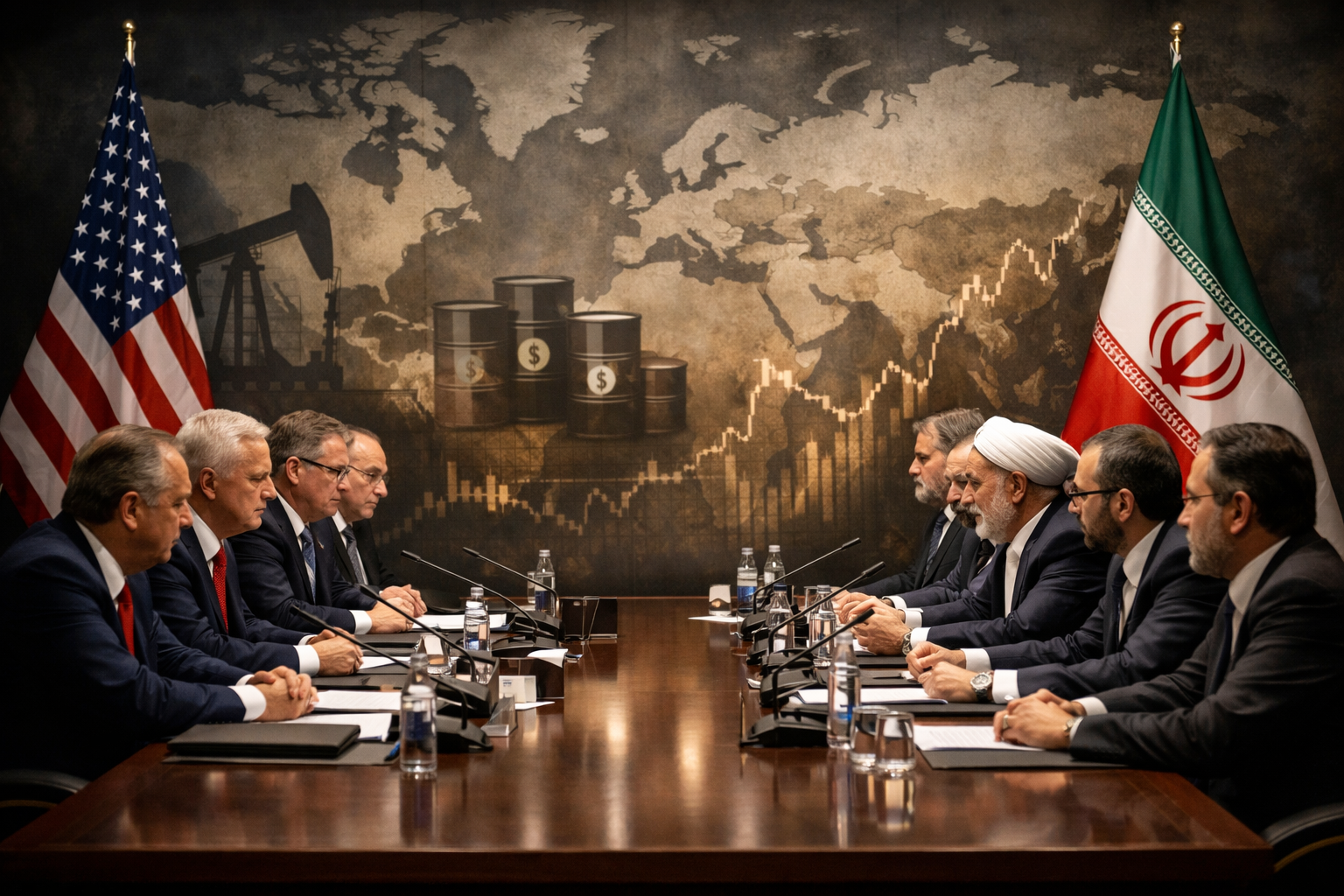
Recent high level negotiations between the United States and Iran held in Islamabad ended without any agreement, creating fresh uncertainty in global geopolitics and energy markets. According to reporting from The Indian Express, the discussions collapsed after extended talks focused on Iran’s nuclear program and proposed long term restrictions, with both sides remaining far apart on key demands .
This development is not only a political event. It has direct consequences for global markets, job trends, and future skill demand across industries.
What happened in the talks
The United States proposed a long duration pause on Iran’s nuclear activities, but Iran rejected the conditions and demanded different terms related to sanctions relief and sovereignty over its nuclear program. Despite long negotiations, no formal agreement was reached.
Both sides signaled that communication channels are still open, but the failure of this round of talks has increased uncertainty in global stability.
Global economic impact
When geopolitical tensions rise between major powers, markets react immediately.
Key effects include:
• Oil price volatility due to uncertainty in the Strait of Hormuz route
• Increased pressure on global supply chains
• Investor shift toward safer assets
• Rising inflation risk in energy dependent economies
Energy markets are especially sensitive because even small disruptions in Middle East stability can influence global fuel pricing.
Impact on jobs and hiring trends
For job seekers and employers, this kind of global instability changes hiring patterns across multiple sectors:
• Increased demand in energy trading and risk analysis roles
• Growth in cybersecurity and intelligence related positions
• Higher need for logistics and supply chain optimization experts
• Expansion in defense and policy research hiring
• Cautious hiring in export dependent industries
Companies prefer candidates who understand global risk, market volatility, and geopolitical analysis.
Opportunities for students and professionals
This situation creates indirect opportunities for students and fresh graduates:
• International relations and political science careers gain relevance
• Data analytics roles in finance and energy sectors grow in importance
• Business graduates with global market understanding are in demand
• Remote research and policy based internships increase
Skill sets related to analysis, forecasting, and global economics become more valuable.
Why this matters for India
India is heavily dependent on imported oil and global trade routes. Any instability in Middle East diplomacy can affect fuel prices, transportation costs, and overall inflation. This directly influences hiring budgets and corporate expansion plans in India as well.
Conclusion
The failure of United States and Iran nuclear talks in Islamabad is more than a diplomatic setback. It signals continued uncertainty in global energy and economic systems, which will directly influence job markets and hiring strategies worldwide.
For students, job seekers, and employers, staying aware of such global developments is no longer optional. It is a competitive advantage.
Stay updated with more career relevant global news at jobreadyplacements.com
Sources
https://jobreadyplacements.com/us-iran-nuclear-talks-islamabad-impact-job
https://jobreadyplacements.com/global-energy-crisis-career-opportunities
https://jobreadyplacements.com/geopolitics-impact-on-job-market
https://jobreadyplacements.com/energy-market-volatility-employment-trends
#HiringTrends #GlobalEconomy #EconomicImpact #RecessionRisk #SupplyChain #FinanceNews #BusinessNews #JobSearch #SkillDevelopment #Students #Freshers #JobReadyPlacements#USIranTalks #IranUSNegotiations #Geopolitics #GlobalPolitics #EnergyCrisis #EnergySecurity #JobMarket